O-Level Chinese Tuition Centres in Singapore
Is your child finding it hard to keep up with the jump in vocabulary, idioms and composition complexity expected at Secondary level? You are not alone. The MOE O-Level Chinese Language syllabus demands stronger command of 成语 (idioms), more sophisticated 作文 (composition) structure, and sharper comprehension skills than what was tested in primary school.
Whether your child needs help expanding their idiom bank, structuring a compelling composition, or building confidence for the oral exam, finding the right tuition centre can make all the difference. Browse our curated directory of top-rated Secondary Chinese tuition centres across Singapore to find the perfect fit for your child's learning pace.
Mastering the O-Level Chinese Syllabus: What the Best Centres Focus On
To secure an A1 or push past a stubborn grade plateau, standard vocabulary lists aren't enough. Top-performing secondary Chinese tutors structure their programs around key pillars:
- 作文 Composition Writing (Paper 1): Training students to structure narrative and expository compositions with stronger idiom (成语) usage, richer sentence patterns, and clearer logical flow than primary-level writing.
- 阅读理解 Comprehension (Paper 2): Sharpening the ability to tackle cloze passages, structured comprehension questions and more demanding vocabulary-in-context items drawn from longer, denser texts.
- 听力 Listening and 口试 Oral: Building listening accuracy for spoken Mandarin at natural speed, alongside expressive Reading Aloud and confident Conversation skills for the oral component.
Compare Secondary Chinese Tuition Programs in Singapore
| Educational Level |
Focus Areas |
Key Milestones & Goals |
| Lower Secondary (Sec 1 - Sec 2) |
Idiom (成语) expansion, sentence structure, introduction to longer composition formats. |
Building a broader vocabulary base and confident writing habits. |
| Upper Secondary (Sec 3 - Sec 4) |
Advanced composition techniques, cloze and comprehension strategies, oral fluency training. |
Refining exam technique across all papers ahead of the O-Levels. |
| O-Level Prep (Sec 4) |
Full syllabus revision, timed past-year papers, mock oral practice, error analysis. |
Maximising marks across all papers and securing a confident final grade. |
Frequently Asked Questions (FAQs) for Parents
When should my child start O-Level Chinese tuition?
Most educators recommend starting in Secondary 1 or 2, as this is when idiom usage, sentence variety and longer composition formats are first introduced. A strong foundation early makes it far easier to handle the heavier demands of Secondary 3 and 4.
Why do so many students struggle with 成语 (idioms) and composition at Secondary level?
Secondary compositions require far richer idiom usage and more sophisticated structure than primary school writing, a skill that takes consistent, guided practice to build. Many students also plateau because they memorise idioms without learning how to apply them naturally within a composition.
How is the Oral component assessed at O-Level Chinese?
The Oral exam combines a Reading Aloud passage with a Conversation segment, assessing pronunciation, fluency, and the ability to express and justify opinions clearly in Mandarin under exam conditions.
Which are the popular Secondary Chinese tuition centres in Singapore?
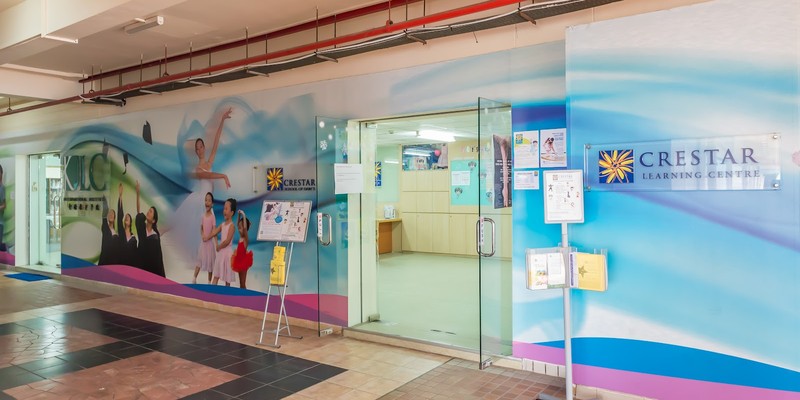
Some well-established Secondary Chinese tuition centres in Singapore include Crestar Learning Centre, EduFirst Learning Centre and Inspire Education Centre, among many others featured in our directory. Use our advanced filters to compare their fees, class formats and reviews.
Give Your Child the Advantage: Find a Secondary Chinese Tutor Near You
Don't wait for the next school exam or mid-year results to realise there's a gap. Use our advanced filters to sort secondary Chinese centres by location (East, West, North, Central), class size, fees, and parent reviews.